

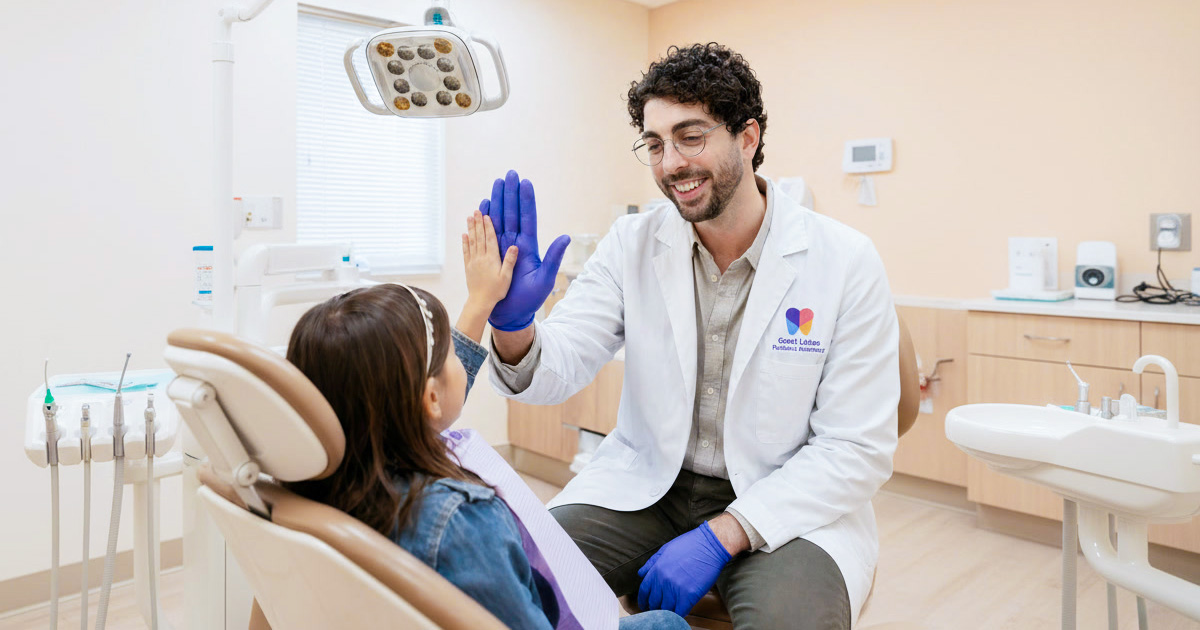
What is Pediatric Dental Anesthesia?
When a child is informed that they’ll require anesthesia to complete a treatment, it might seem daunting, raising a number of questions such as: Will they sleep? Why should he or she be sedated? Is it possible to keep him or her comfortable during the dental process?
The different varieties of pediatric dental anesthesia available include a numbing shot, mild, moderate or deep sedation, and in the case of general anesthesia, your child may sleep throughout the dental appointment. The form of pediatric anesthesia prescribed for your child is determined by the child’s age, the type and amount of treatment required, the child’s personality, health, and ease of dentistry.
In pediatric dentistry, anesthetics are used in combination with dental techniques to reduce pain and anxiety, and to ensure that a child remains motionless or is put to sleep during their dental procedures.
Anesthesia and sedation are terms often used interchangeably. The injection of a local anesthetic numbs the area around a tooth or set of teeth, so treatment may be performed without any pain or discomfort while the child remains awake.
An anesthetic sedates him or her, rendering them groggy, while a general anesthetic will put them completely to sleep. Depending on the circumstances, pediatric dental sedation may be mild, moderate, or deep. A moderate sedative would help a child relax while they sit still without actually being put to sleep; a more powerful sedative would keep a child asleep through much or the entire visit.
Why Would A Child Need Dental Sedation or Anesthesia?
We recommend dental sedation for kids who don’t respond well to communication and behavioral guidance techniques that are typically sufficient in keeping them still during procedures.
Kids with extreme phobias or anxiety toward dentistry, young children who aren’t cooperative in following dental instructions, those who cannot stay in a single spot for extended periods, kids who are ill, have special health care needs, cognitive disabilities, multiple fillings, a complex treatment plan or those requiring numerous treatments or visits, kids who have experienced an earlier adverse experience with dentistry, and those who have painful teeth or infections may be good candidates for anesthesia.
All of these can help to ease a child’s discomfort, prevent movement, and provide the dentist with the capability to provide the greatest care.
Anesthesia Types for Dental Sedation in Children
Although not all anesthetics put children to sleep, many will.
Local Anesthesia
With a local anesthetic, a specific portion of the mouth or tooth is anesthetized, enabling treatment to be provided to that particular tooth without discomfort. The patient will be awake for the duration of the procedure.
Local anesthesia is generally utilized in simple procedures, such as cleanings, fillings and extractions. One side effect of a local anesthetic in children could be continued numbness of their lips and cheeks following treatment, causing them to unintentionally bite themselves once the process is over.
A local anesthetic’s dosage will depend on the patient’s age, health and weight.
Nitrous Oxide (Laughing Gas)
An ideal option for children who require a mild to moderate sedation level, this inhaled gas is dispensed through a small nasal mask.
The anesthetic can help a child relax, feel more at ease and happier while still remaining responsive throughout their dental visit.
When this is given, the gas is rapidly expelled from the system and will quickly wear off once the dental work is complete.
A child can be considered for nitrous oxide, as long as the treatment has been cleared by a dentist for anesthesia.
Oral Sedation
The application of oral sedatives is in pill form and they serve as mild sedatives which promote both relaxative and anxiety-reducing properties.
While under oral sedation, the child tends to feel less responsive and drowsy but he or she will not completely fall asleep.
The amount of sedating they will undergo will vary depending on age, weight and health.
IV Sedation
Sedatives may be injected into the vein, offering a higher degree of control and an ideal solution for the very anxious and/or those in need of comprehensive work.
Sedatives may be prescribed based on age and needs of the child and is administered and regulated by anesthesia professionals.
Pediatric Dental General Anesthesia
With general anesthesia, a controlled state of deep sleep is induced so that the patient is unaware and unable to feel any procedures or treatment.
This type of anesthesia is useful for large and complex dental work to be done in a single visit.
Anesthesiologists, also medical anesthesia professionals, supervise the administration and monitor the child during this deep sleep.
We also provide pediatric general anesthesia at our practice for children who may have special needs or phobias, so they may have optimal dental care in a comfortable, friendly atmosphere.
Our dentists at Great Lakes Pediatric Dentistry offer in-office, general anesthesia services, in which a medical anesthesia team or physician supervises the care for the patients.
Questions to Ask Your Pediatric Dentist Before Your Child’s Dental Appointment
Before deciding that your child requires anesthesia for their dental procedure, discuss the various anesthesia and sedation options available with the dentists at Great Lakes Pediatric Dentistry.
Before scheduling your child’s dental appointment, be sure to review your child’s medical history, any medications, prescription or otherwise, that he or she currently takes and any drug sensitivities, as these all play a role in which anesthetic option is most suitable.
For the safest and most appropriate form of anesthetic, share a complete medical history with our dentists at Great Lakes Pediatric Dentistry, and ask any and all questions that you have about your child’s procedures and dental anesthesia.
Choosing the right anesthesia plan will depend on the factors discussed above, but one fact remains unchanged – your child’s overall well-being and comfort throughout the visit will be prioritized.
Here at Great Lakes Pediatric Dentistry, we aim to provide each patient with a safe, positive, and successful experience. We provide in-office, pediatric dental general anesthesia services.
Contact our office today for more information.
Frequently Asked Questions
How safe is dental sedation for kids?
Sedation can be used safely when the child receives appropriate evaluation and appropriate depth is chosen, qualified practitioners deliver care and standard monitoring is used.
But no medicine and no procedure is without any risk. Parents are urged to discuss potential benefits, potential risks, and available alternatives with both dentist and anesthesiologist.
Is my child fully asleep under dental sedation?
This is determined by the form of sedation. Most kids are responsive and awake with nitrous oxide sedation.
An orally sedated child or an IV sedated child might feel drowsy, may seem less aware of their surroundings, or in some cases might feel totally comfortable.
General anesthesia puts the child in a deep unconscious state.
What conditions would necessitate general anesthesia for pediatric dentists?
There are various circumstances for recommending general anesthesia in the practice of pediatric dentists.
Children who need major dental procedures, a young age, severe anxiety, special healthcare needs, or an inability to complete an important dental procedure while awake is the usual rationale for using general anesthesia.
How long will dental sedation last?
The amount of time dental sedation lasts depends on the medications used, dosage prescribed, the amount of dental work, and your individual child’s reaction.
The medication in nitrous oxide should be completely gone, with the effects diminishing quickly after the appointment ends.
This might not always be true for oral sedation, IV sedation, and general anesthesia.
Can dental anesthetics be utilized in kids with special healthcare needs?
Yes. Dental anesthetic will support some youngsters with developmental, behavioral, sensory, medical or physical challenges in receiving needed therapeutic services.
A comprehensive dental and medical assessment and analysis of your kid should be carried out and reviewed on a case-by-case basis.
Is general anesthesia and sedation equivalent?
No. Dental sedation is actually a continuum that might range from relaxed to almost sleepiness, as the child will remain able to respond at a certain level, whereas general anesthesia puts the patient into a controlled state of unconsciousness throughout their procedure.
